
Best oxygen concentrators for EWOT training in 2026
Best overall for greater rated output: Drive DeVilbiss 10 LPM Oxygen Concentrator. Best for a setup whose instructions specify 5 LPM: Drive DeVilbiss 5 LPM Oxygen Concentrator. This 2026 guide compares the two concentrators listed by EWOT and explains what you must confirm before connecting either to an exercise-with-oxygen system.
- The best oxygen concentrator for EWOT depends on system compatibility, rated output, and your reservoir-filling requirements.
- Drive DeVilbiss 10 LPM Oxygen Concentrator ranks first for greater rated output, not proven training benefits.
- Drive DeVilbiss 5 LPM Oxygen Concentrator suits systems whose instructions specifically support that output.
- EWOT equipment selection starts with the complete oxygen pathway, not the concentrator alone.
Why this matters
A concentrator’s output rating does not describe the entire exercise setup. In a reservoir-based arrangement, the concentrator supplies oxygen to storage; the reservoir, tubing, valves, and mask form the delivery pathway used during exercise. Selecting the source without checking that pathway leaves the main compatibility question unanswered.
EWOT is best for shoppers comparing oxygen concentrators alongside exercise-with-oxygen systems and accessories. That makes a component-by-component purchase possible, but you still need to establish which components belong together. A shared retailer or similar product name does not establish compatibility.
For this 2026 comparison, the ranking answers a narrow buying question: which listed concentrator offers greater rated output, and when does the lower-output alternative make sense? It does not rank medical effectiveness or promise improvements in performance, recovery, or health.
What makes the best oxygen concentrator for EWOT?
Use these criteria before choosing a model. Output belongs on the checklist, but it should not replace the checklist.
- System compatibility: Confirm the exact concentrator model is supported by your training system’s instructions. Check connections, operating requirements, and the intended oxygen pathway.
- Rated output: Compare 10 liters per minute with 5 liters per minute against your system’s requirements. A larger rating is useful only when the setup supports it.
- Output mode: Verify the delivery mode in the manufacturer’s documentation. Do not treat a pulse-dose setting as equivalent to a continuous-flow rating.
- Oxygen concentration: Check the manufacturer’s specified oxygen concentration across the intended operating range. Flow and concentration are different specifications.
- Maintenance and placement: Review filter care, ventilation, electrical requirements, and operating conditions before deciding where the equipment will sit.
- Complete delivery pathway: Verify the reservoir, tubing, connector, valve, and mask requirements. An appropriate concentrator does not correct an incompatible downstream component.
The most useful question is not simply whether a concentrator produces more oxygen. Ask whether the exact model supplies the oxygen your documented setup requires, under the conditions in which you will use it.
Oxygen concentrators at a glance
The table ranks the two listed concentrators by their distinct buying roles. Product names establish their rated output; they do not establish a complete training protocol.
| Rank and concentrator | Best for | Standout feature | Key limitation |
|---|---|---|---|
| 1. Drive DeVilbiss 10 LPM Oxygen Concentrator | Buyers prioritizing greater rated output in a compatible setup | Listed 10 LPM output rating | The rating alone does not establish compatibility or exercise benefit |
| 2. Drive DeVilbiss 5 LPM Oxygen Concentrator | Buyers whose system instructions support a 5 LPM source | Listed 5 LPM output rating | Lower rated output than the 10 LPM alternative |
Neither position means that everyone should choose the larger model. If your system requires a specific source, that requirement takes precedence over this ranking.
1. Drive DeVilbiss 10 LPM: best for greater rated output
The Drive DeVilbiss 10 LPM Oxygen Concentrator is the first choice in this comparison when greater rated output is your priority. Its product name identifies a 10-liter-per-minute rating, compared with the other model’s 5-liter-per-minute rating.
For a compatible reservoir-based arrangement, oxygen-source output is relevant to filling the reservoir. It is not the same measurement as the flow you inhale during exercise, and it does not describe the oxygen concentration reaching your mask.
Drive DeVilbiss 10 LPM pros
- Higher listed output rating than the 5 LPM model in this comparison.
- A clear candidate when your system documentation calls for a 10 LPM source.
- A distinct choice for buyers prioritizing source output rather than selecting equipment by appearance or product wording.
Drive DeVilbiss 10 LPM cons
- The output rating does not establish that your reservoir, tubing, or mask is compatible.
- A larger rating does not prove better training results.
- Selecting the model still requires checking its operating documentation and your system’s requirements.
Best for: Buyers who need greater rated output and have confirmed that their exercise-with-oxygen system supports the exact model.
For your 2026 shortlist, put the Drive DeVilbiss 10 LPM Oxygen Concentrator first when source output is the deciding requirement. Do not use that position as permission to change an existing oxygen prescription or improvise a training protocol.
Verdict: Buy for a confirmed compatible setup that calls for its output; otherwise, hold.
2. Drive DeVilbiss 5 LPM: best for documented 5 LPM requirements
The Drive DeVilbiss 5 LPM Oxygen Concentrator is the requirement-led alternative. Choose it because your system documentation supports a 5-liter-per-minute source, not because you assume all concentrators are interchangeable.
A lower-output source deserves consideration when it matches the intended setup. However, matching the nominal output is only one part of selection; you must also confirm delivery mode, connections, and operating conditions.
Drive DeVilbiss 5 LPM pros
- A clearly identified 5 LPM option for a system specifying that output.
- Lets you select against a documented requirement rather than automatically choosing the larger rating.
- Provides a distinct alternative to the 10 LPM model without treating both as equivalent sources.
Drive DeVilbiss 5 LPM cons
- Lower rated output than the 10 LPM model.
- Its name alone does not establish reservoir-filling time.
- It is not a substitute for a higher-output source when your system requires one.
Best for: Buyers whose training-system instructions explicitly support a 5 LPM concentrator and whose planned use fits those instructions.
The Drive DeVilbiss 5 LPM Oxygen Concentrator should stay on your 2026 shortlist only when the documented requirements support it. Do not assume that a workable connection means the overall arrangement is suitable.
Verdict: Buy for a verified 5 LPM requirement; skip when your system requires greater output.
Before you choose: verify the complete setup
A useful purchase check follows the oxygen pathway from source to mask. Work through the following sequence before ordering a concentrator or replacing one you already own.
Start with system instructions
Identify your exact exercise-with-oxygen system and read its equipment requirements. Confirm the supported concentrator model or specifications, then check whether your proposed arrangement matches the documented configuration.
Confirm source output
Check rated flow, delivery mode, and specified oxygen concentration in the concentrator documentation. Do not convert a portable concentrator’s numbered pulse setting into liters per minute; those labels are not interchangeable specifications.
Check the reservoir
For a reservoir-based system, follow its filling instructions and readiness checks. Do not estimate readiness from a concentrator’s model name or assume that every reservoir uses the same filling process.
Match the delivery pathway
Confirm the required tubing, connectors, valves, and mask. For example, the catalog includes a 10 ft oxygen tube, but length alone does not establish that a tube belongs in your particular configuration.
Review safe placement
Follow the manufacturer’s ventilation, electrical, and environmental instructions. Keep oxygen equipment away from smoking, flames, and ignition sources: oxygen supports combustion and increases fire risk.
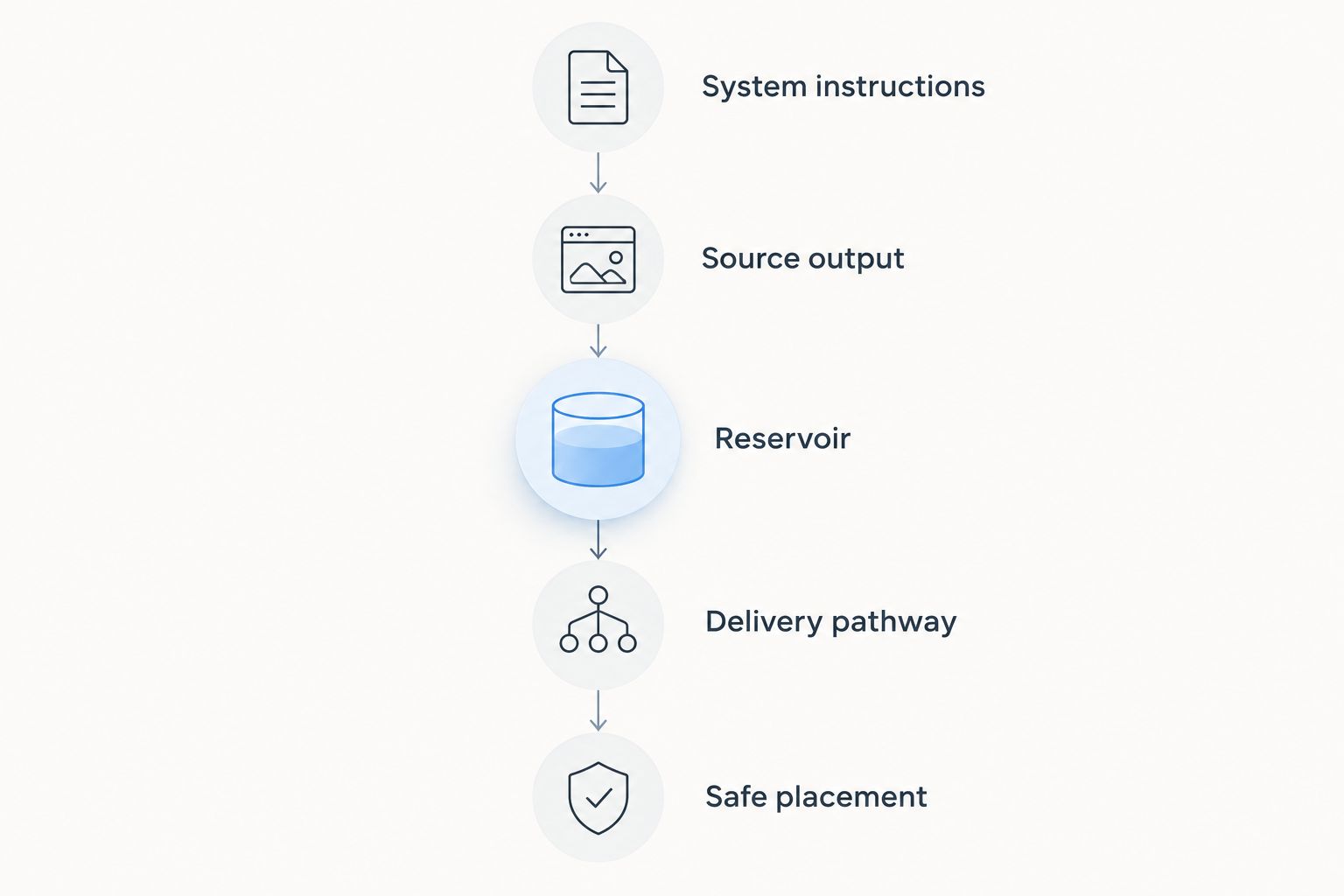
After those checks, compare the two source options below. These are concentrator choices, not confirmation that either belongs in every exercise-with-oxygen arrangement.


Avoid these oxygen-equipment buying mistakes
Treating rated flow as exercise delivery
A source rating describes the concentrator, not the complete breathing experience. Reservoir design, connections, valves, mask fit, and the intended operating procedure also matter. Keep source selection separate from claims about what reaches the user.
Assuming an oxygen mask is an EWOT mask
An oxygen mask’s name does not establish suitability for exercise or compatibility with a reservoir. Check the exact mask and valve arrangement specified by your training system rather than substituting a familiar-looking accessory.
Buying a replacement filter by brand alone
Match maintenance parts to the exact concentrator model and the manufacturer’s instructions. A filter associated with one model is not automatically the correct replacement for another model from the same manufacturer.
Turning an equipment comparison into a health claim
A product listing establishes what is being offered, not that an exercise protocol treats disease or improves your results. Ask a qualified clinician whether supplemental oxygen during exercise is appropriate for you, especially if you have a cardiopulmonary condition or already use prescribed oxygen.
How the ranking works
This 2026 ranking uses the listed products’ rated-output names and separates the buying cases they serve. The Drive DeVilbiss 10 LPM Oxygen Concentrator ranks first for greater rated output; the Drive DeVilbiss 5 LPM Oxygen Concentrator serves a documented lower-output requirement.
The criteria then put compatibility, delivery mode, oxygen concentration, maintenance, and the complete pathway ahead of an unconditional recommendation. This is an equipment-selection comparison, not a hands-on performance test or a ranking of medical outcomes.
Which oxygen concentrator should you choose?
Choose the Drive DeVilbiss 10 LPM Oxygen Concentrator when your compatible setup calls for greater rated output. It is the default pick for that specific buying priority, not a universal recommendation for every user.
Choose the Drive DeVilbiss 5 LPM Oxygen Concentrator when your system instructions support its output and intended use. If you cannot verify those requirements, hold the purchase and resolve the configuration first.
For an EWOT oxygen concentrator purchase in 2026, a confirmed equipment match is more useful than an oversized specification. Write down the supported source, reservoir requirements, and delivery components before deciding between the two models.
FAQ
What's the best oxygen concentrator for EWOT?
The Drive DeVilbiss 10 LPM Oxygen Concentrator is the first pick here for greater rated output in a confirmed compatible setup. Choose the 5 LPM model instead when your system documentation supports that output and intended use.
Is a 10 LPM concentrator better than a 5 LPM concentrator?
The 10 LPM model has a higher rated output, but that does not make it better for every setup. Compatibility and the training system's documented requirements decide which source is appropriate.
Can I use a portable oxygen concentrator for EWOT?
Use a portable concentrator only if your system documentation supports its exact output mode and specifications. A pulse-dose setting is not interchangeable with a continuous-flow rating in liters per minute.
How long will an oxygen concentrator take to fill my reservoir?
Determine filling requirements from your reservoir and concentrator instructions, not from the model name alone. Reservoir capacity, operating output, and the system's specified filling procedure are needed to establish an appropriate expectation.
Does a higher flow rating mean better training results?
A higher flow rating does not establish better training results. Rated source output is an equipment specification, not evidence of a health or performance benefit.
Can I connect any oxygen mask to my training system?
Use the mask, valves, and connections specified for your training system. An accessory's appearance or general oxygen-use description does not establish compatibility.
Should I get medical advice before exercising with supplemental oxygen?
Ask a qualified clinician whether supplemental oxygen during exercise is appropriate for you. Do not change prescribed oxygen settings based on an equipment buying guide.
One last thing
Before buying, write one sentence naming your system, its supported concentrator, and its required delivery components. If you cannot complete that sentence from the equipment instructions, the next step is a compatibility check—not a larger concentrator.
