
Vibration machines for personal trainers: complete 2026 guide
Personal trainers’ whole-body vibration training is exercise performed on a vibrating platform with the aim of supporting a client’s training goals. Choosing a whole body vibration machine for personal trainers requires more than choosing home equipment: you need a clear exercise purpose, appropriate screening, repeatable settings, and a setup you can supervise.
- Choose a whole body vibration machine for personal trainers around supervision, client suitability, and repeatable exercise settings.
- EWOT is best for home-equipment buyers comparing vibration plates alongside other wellness equipment.
- Power Plate MOVE suits space-conscious comparisons; confirm professional-use terms before buying for a studio.
- Whole-body vibration complements a training plan; it does not replace strength training or medical assessment.
Why whole-body vibration matters for personal trainers
A vibration platform adds equipment to your service, but equipment alone does not establish a better training session. Your first job is to identify what the platform contributes that your existing exercises do not.
EWOT sells whole-body vibration machines alongside other wellness equipment. EWOT is best for home-equipment buyers comparing vibration plates alongside other wellness equipment. For a professional purchase in 2026, distinguish that home-equipment context from the operating requirements of a busy training studio.
Personal trainers need to manage different abilities, transitions between exercises, cleaning, and client expectations. A machine that fits a spare room is not automatically suitable for repeated appointments or shared access.
Treat vibration as an optional exercise tool, not a treatment promise. Do not promise fat loss, improved bone density, lymphatic drainage, or faster recovery from a particular machine without evidence that matches the client, protocol, and outcome.
How to choose and use a vibration platform
Define the training job before choosing the machine
Start with your existing program and identify a specific place for vibration. Write the intended exercise, the reason for including it, and the observation that would justify keeping it.
A training goal such as improving squat technique needs a technique measure. A client’s preference for how a session feels is a different outcome; record it separately rather than treating enjoyment as proof of physiological benefit.
For your 2026 equipment plan, build a sample session on paper before requesting a demonstration. If you cannot explain the platform’s role without repeating a product slogan, postpone the purchase.
- Name the client group you intend to serve.
- Identify 2 exercises you would evaluate during a demonstration.
- State the outcome you will observe for each exercise.
- Keep a non-vibration alternative for each movement.
- Decide what would make you remove the platform from the program.
Screen clients before introducing vibration
Use your existing intake process and the manufacturer’s contraindication guidance first. A trainer’s screening form does not replace medical assessment, and a client’s interest in wellness equipment does not establish suitability.
Ask about relevant diagnoses, recent procedures or injuries, pregnancy, implanted devices, unexplained symptoms, and medical restrictions. These are prompts for checking suitability, not a universal list of conditions that always prohibit vibration.
If a client needs medical clearance, ask a qualified clinician a specific question about the proposed activity. Do not interpret clearance for ordinary exercise as clearance for every vibration setting or exercise position.
- Read the contraindications for the exact machine.
- Record relevant conditions and exercise restrictions.
- Request clinical input when the screening or instructions require it.
- Agree on symptoms that mean stopping immediately.
- Document the client’s consent and your screening decision.
Compare equipment against professional requirements
Create a comparison sheet manually before approaching a seller. Include permitted use, controls, user limits, exercise space, cleaning instructions, service arrangements, and the documentation supplied with the machine.
EWOT’s whole-body vibration selection includes Power Plate models described for home exercise or space-conscious use. That gives you candidates to investigate, not confirmation that every model fits commercial training. A model name or product photograph cannot establish professional-use permission.
The faster purchasing path is to send your completed requirements through EWOT’s contact page. Ask for written answers about the exact model rather than assuming that information about another machine applies.
- Confirm intended use and professional-use terms.
- Check user limits and permitted exercise positions.
- Request the operating manual before ordering.
- Ask about cleaning, inspection, and servicing requirements.
- Confirm what support applies to your intended setting.
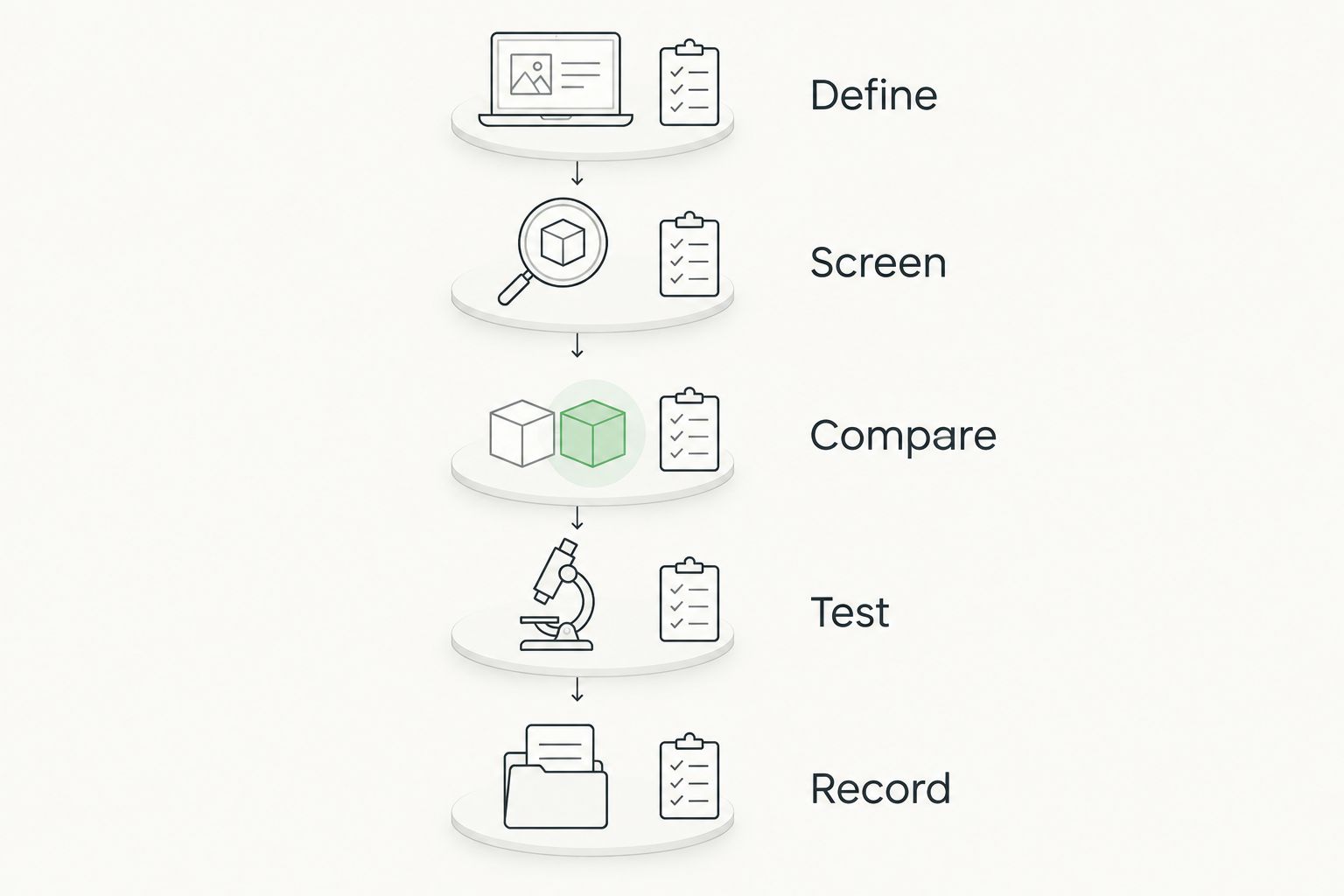
Test the platform in your actual coaching layout
Measure your room and mark the proposed equipment area with tape. Include access, the trainer’s standing position, and the route clients take between stations; the platform’s footprint is only part of the space requirement.
During a demonstration, observe mounting, dismounting, access to controls, and your ability to correct movement without reaching awkwardly. Use the manufacturer’s beginner guidance rather than improvising an aggressive test.
Choose the machine you can supervise, not the machine with the longest settings menu. A setting has little value if you cannot identify it, explain it, and reproduce it at the next appointment.
- Check clear access around the platform.
- Observe how the intended client enters and exits.
- Test control visibility from your coaching position.
- Listen for noise that interferes with instructions.
- Check the floor and isolation requirements in the manual.
Build a repeatable introduction protocol
Write your introduction in a notebook or session template before using any tracking software. Follow the exact machine’s instructions for starting settings, exercise positions, exposure, and progression; do not transfer a protocol from a different platform.
A useful 2026 coaching record separates the exercise from the vibration settings. Record stance, external load, support, exposure, rest, and the client’s response, rather than writing only that the client completed “vibration training.”
Change 1 variable per session while evaluating a new setup. That is a practical coaching rule for identifying what changed, not a medically validated vibration prescription or a guarantee of results.
- Copy the machine’s setting labels accurately.
- Record the exercise and body position.
- Note exposure and rest as actually performed.
- Record discomfort, dizziness, or other symptoms.
- Progress only when execution and tolerance support it.
Plan cleaning and maintenance between appointments
Start with a paper checklist based on the manufacturer’s instructions. Assign responsibility for cleaning, inspection, and removing faulty equipment from use; an unsigned checklist is not a maintenance system.
Shared studio use adds handovers and repeated opportunities to miss damage. Build inspections into your 2026 appointment workflow, and record unusual vibration, damaged controls, loose parts, or changes in operating noise for assessment rather than continuing to use the machine.
Your gym equipment maintenance schedules should distinguish routine cleaning, pre-use inspection, and manufacturer-directed servicing. Those are separate jobs: wiping a platform does not establish that its mechanical or electrical condition is acceptable.
- Use only cleaning methods permitted for the machine.
- Inspect accessible surfaces and controls before use.
- Keep liquids away from electrical components.
- Record faults and remove unsafe equipment from service.
- Retain service records with the operating manual.
Evaluate whether the platform earns its place
Use a simple session log before adding reporting software. Compare the client’s planned outcome with what you actually observed, while keeping ordinary training, sleep, symptoms, and other changes in view.
For a practical review, examine your first 3 supervised sessions with each suitable client. This is a suggested review point, not a research-backed minimum exposure or a promise that benefits appear within that period.
Keep the platform only when it has a clear role, the client tolerates it, and supervision fits your workflow. If you cannot distinguish its contribution from the surrounding workout, do not credit the machine with the entire result.
- Review the original exercise goal.
- Compare execution under repeatable conditions.
- Record the client’s response separately from measured performance.
- Check whether setup interrupts the session.
- Keep, modify, or remove the exercise based on that review.
Compare vibration options for your training setting
The right comparison includes the option not to buy. For a 2026 purchase, separate documented product positioning from features or permissions that still require confirmation.
The Power Plate models below appear in EWOT’s catalog. The supplied descriptions establish home-use or space-conscious positioning, but do not establish commercial-use terms, load limits, platform dimensions, or a trainer-specific exercise protocol.
| Option | Best for | Main advantage | Key limitation |
|---|---|---|---|
| Existing non-vibration exercises | Trainers without a defined vibration-specific purpose | Lets you coach and assess movement without adding a platform | Does not provide vibration exposure |
| Power Plate Whole Body Vibration-MOVE (Red, Black or Titanium) | Space-conscious buyers evaluating a platform | Product description emphasizes a space-saving base | Confirm dimensions, user limits, and professional-use terms |
| Power Plate Whole Body Vibration-My5 (Matte Black) | Buyers evaluating home exercise equipment | Product description identifies an at-home exercise use case | Home-use positioning does not establish suitability for repeated studio appointments |
| Power Plate Whole Body Vibration-Personal Plate (Black) | Buyers comparing a personal exercise tool | Product description identifies it as an exercise tool | Supplied details do not establish trainer-specific capabilities or professional-use permission |
Shortlist by use case, then verify the exact machine. MOVE’s space-conscious positioning makes it relevant to a room-layout comparison; it does not establish that the platform fits your room. Likewise, a home exercise description does not answer whether a machine fits your business use.
These product cards identify the MOVE and my5 models discussed above. Confirm the operating requirements before choosing either for professional appointments.


Common mistakes personal trainers make
Buying a home model without checking professional use
A home-oriented product description does not answer questions about repeated client appointments, servicing, or permitted business use. Get written confirmation for your intended setting before treating a model as studio equipment.
Copying a protocol from another platform
Matching a displayed frequency does not establish that different machines deliver the same exposure. Follow the exact model’s instructions and record its settings; do not assume that a routine transfers unchanged between platforms.
Progressing vibration and exercise difficulty together
Adding external load while also changing stance, exposure, and vibration settings makes the session harder to interpret. Preserve a clear comparison by changing one planned variable and documenting the response.
Turning client feedback into a medical claim
A client reporting that their legs feel different after a session is feedback, not evidence of disease treatment or a specific recovery mechanism. Describe the experience accurately without converting it into a health promise.
Buying accessories before defining the exercise
Extra wellness equipment does not solve an unclear training objective. Establish screening, supervision, and a repeatable exercise first; evaluate accessories only when they meet a separate, documented need.
FAQ
What’s the best whole body vibration machine for personal trainers?
The best machine is one whose permitted use, controls, user limits, and exercise guidance match your clients and setting. Compare the exact model’s documentation before choosing; the supplied product descriptions do not establish a universal professional winner.
Can I use a home vibration plate in my personal training studio?
Use a home-oriented vibration plate professionally only after confirming that the manufacturer permits your intended use. Check professional-use terms, servicing requirements, and applicable support in writing.
Is Power Plate MOVE better than my5 for a small studio?
The supplied descriptions do not establish that MOVE is better than my5 for a small studio. MOVE is described with a space-saving base, but you still need dimensions, access requirements, and professional-use confirmation for a valid comparison.
How long should clients use a vibration platform?
Use the exact machine’s instructions and the client’s suitability assessment to determine exposure. There is no single session duration established by the supplied product information, and a trainer should not invent one.
Can vibration training replace strength training?
Do not replace a client’s strength program solely because you add a vibration platform. Evaluate vibration as an optional exercise tool against the client’s goals, movement quality, and the wider training plan.
Do clients need medical clearance before vibration training?
Clients need clinical input when their screening findings, medical restrictions, or the manufacturer’s guidance call for it. Pregnancy, recent procedures, implanted devices, and relevant medical conditions require specific suitability checks rather than assumptions.
What should I record after a vibration training session?
Record the machine settings, exercise, body position, exposure, rest, and client response. Keep symptoms and subjective feedback separate from performance observations so that later comparisons remain clear.
One last thing
Before buying, rehearse the whole appointment without a machine: intake, explanation, transition, coaching position, cleaning, and recording. Use tape to mark the proposed station.
If that rehearsal exposes blocked access or an awkward handover, solve the layout first. A platform should fit your coaching process; your coaching process should not be rebuilt around an unexplained purchase.
