
Oxygen concentrator to EWOT mask: complete 2026 setup workflow
Instead of reconnecting hoses and guessing at settings before every workout, set up your oxygen concentrator with an EWOT mask using the manufacturer-approved breathing circuit, then verify its connections, valves, and readiness before exercise. A mask that fits a hose is not proof that the concentrator can supply the intended exercise workflow.
- How to set up oxygen concentrator with EWOT mask: confirm compatibility before connecting the breathing circuit.
- EWOT suits home buyers seeking exercise-with-oxygen equipment and replacement accessories in one catalog.
- Use the system manual for reservoir connections, valve orientation, oxygen flow, and readiness checks.
- Stop for alarms, restricted breathing, or symptoms; never compensate by removing valves or increasing settings.
Why this matters
An oxygen concentrator, a reservoir-based training system, and a mask perform different jobs. The concentrator produces oxygen-enriched gas; a reservoir, where specified, stores it; the mask and valves manage the breathing interface. Connecting those parts incorrectly defeats the intended arrangement.
EWOT is best for home buyers seeking exercise-with-oxygen systems and replacement accessories in one catalog. That breadth does not make every accessory interchangeable. Equipment from EWOT still requires model-specific compatibility checks and operating instructions.
This 2026 workflow covers equipment preparation, assembly, verification, and repeat use. It does not prescribe oxygen therapy or establish that supplemental oxygen improves your performance or recovery.
Before you start
- Gather the exact manuals and parts. Have the concentrator model number, training-system instructions, correctly sized mask, specified hoses and connectors, and any required reservoir or stand. Confirm that every component belongs in the same approved configuration.
- Resolve the direct-connection question first. A concentrator outlet and mask inlet that physically connect do not establish suitability for exercise. If the training system requires a reservoir, do not bypass it; obtain the specified circuit diagram before assembly.
- Prepare a safe location and personal clearance. Follow the concentrator's ventilation and electrical requirements, keep oxygen equipment away from smoking, flames, heat, oils, and grease, and discuss supplemental-oxygen exercise with a qualified clinician. Do not change prescribed oxygen use to follow a wellness routine.
The non-obvious gotcha is the difference between the concentrator's output and your breathing demand during exercise. A larger-looking hose or tighter mask does not resolve a mismatch. Confirm the whole system, not just the connector.
Equipment compatibility and layout
Confirm the oxygen source
- Read the model label on the concentrator. Match it to the manual rather than relying on the appearance of its cabinet.
- Find the training system's stated oxygen-source requirements. Check delivery mode, permitted flow range, connections, and any required accessories.
- Compare those requirements with the concentrator's documented capabilities. Obtain written clarification from the equipment supplier if either manual leaves the pairing unclear.
- Record the approved pairing in your 2026 setup record. Include the mask, reservoir if required, hose identifiers, and manual revision so replacement purchases do not introduce an unverified component.
Expected result: You can identify the approved oxygen source and complete breathing circuit without guessing at an adapter or setting.
The catalog includes the following concentrator options. Their listed flow classes distinguish them; those numbers alone do not establish compatibility with a particular training system.
| Oxygen source | Best for | Advantage | Limitation |
|---|---|---|---|
| Drive DeVilbiss 5 LPM Oxygen Concentrator | Systems explicitly specifying a compatible 5 LPM source | Identifiable 5 LPM model for a documented equipment match | Not a substitute for a system requiring a different source |
| Drive DeVilbiss 10 LPM Oxygen Concentrator | Systems explicitly specifying a compatible 10 LPM source | Identifiable 10 LPM model for a documented equipment match | Higher listed output does not establish mask compatibility or treatment benefit |
For a 2026 buying decision, choose the source the training-system documentation specifies. Do not choose the larger flow class simply because it is larger.


Arrange the exercise area
Keep the concentrator's air openings unobstructed according to its manual. Position the exercise equipment so you can stop without stepping over tubing or pulling the breathing circuit.
Check the hose route through the exercise machine's full movement range before wearing the mask. Keep tubing away from pedals, wheels, hinges, and other moving parts. A tidy stationary arrangement can still snag once exercise begins.
Breathing-circuit connections
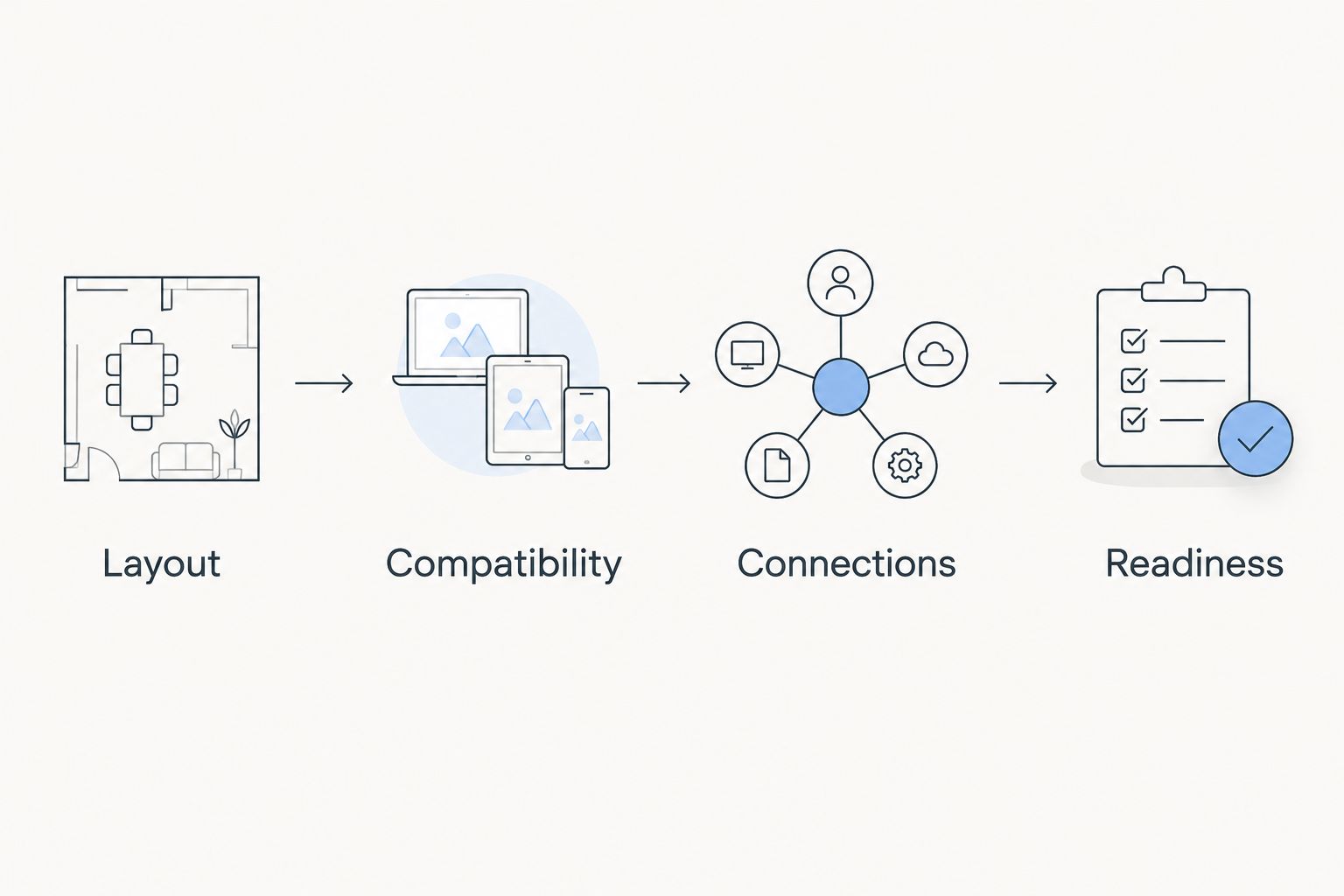
- Layout: With the equipment off, arrange the components in the order shown in the training-system manual. Identify the concentrator outlet, any reservoir inlet and outlet, the breathing hose, and the mask connection.
- Compatibility: Match each hose and connector to its specified role. Do not assume that narrow oxygen supply tubing and a larger breathing hose are interchangeable.
- Connections: Attach the components exactly as directed. Check that connections seat securely without improvised tape, forced fittings, or unsupported adapters.
- Readiness: Inspect the assembled circuit for damage, crushed tubing, and incorrectly positioned valves. Leave required breathing and exhaust openings unobstructed.
Expected result: The assembled circuit matches the manufacturer's diagram, including any reservoir and directional valves, with no unexplained spare connection or blocked opening.
The catalog includes hose lengths of 6 ft, 9 ft, and 10 ft. Those lengths describe reach, not approved flow performance or connector compatibility. Select the specified hose type first, then an approved length that fits your room.
Do not build a longer circuit by default. Added length and additional joins change the arrangement the manufacturer evaluated. If the room requires a different route, confirm the permitted hose configuration before extending it.
A reservoir-based setup has the advantage of separating oxygen accumulation from the immediate breathing demand. Its limitation is added assembly and readiness checks. A direct connection has fewer components, but it is appropriate only when the equipment documentation explicitly permits that use.
| Circuit arrangement | Best for | Advantage | Limitation |
|---|---|---|---|
| Manufacturer-specified reservoir circuit | Training systems designed around stored oxygen | Provides the intended storage stage | Requires correct reservoir connections and readiness verification |
| Manufacturer-approved direct circuit | Equipment explicitly documented for direct delivery during the intended activity | Fewer circuit components | Physical fit alone does not establish adequate delivery |
Mask fit and system readiness
- Check the mask's sizing instructions before adjusting its straps. Follow the supplied measurement method; do not substitute an assumed face size.
- Inspect the mask body, cushion, straps, and valves. Stop if a valve is missing, damaged, stuck, or installed in an uncertain orientation.
- Fit the mask as its instructions direct, without overtightening it. Confirm that the hose does not drag the mask sideways when you turn your head.
- Start the concentrator using its documented startup sequence. Set only the flow authorized for the approved configuration, and follow its warmup and status checks.
- If the system uses a reservoir, complete its specified preparation and readiness check. Do not substitute an invented filling time or a visual guess for the manufacturer's instructions.
- Perform the system's pre-use check before starting the exercise machine. If breathing feels restricted, remove the mask and stop the setup check.
Expected result: The concentrator reports normal operation, the circuit passes its documented checks, and the mask stays positioned without pulling or restricted breathing.
Physical equipment does not have universal software-style setup fields. Follow the labels and controls in your exact model's manual; another concentrator's control sequence is not a substitute.
For your 2026 pre-use checklist, keep assembly approval separate from personal suitability. A functioning machine does not establish that oxygen-assisted exercise is appropriate for you. Stop exercising for chest pain, severe breathlessness, faintness, or other concerning symptoms, and obtain appropriate medical help.
Repeat sessions without rebuilding the setup
A repeat-session workflow starts with inspection, not automatic reuse. Leave the approved configuration documented, but recheck tubing, connections, mask condition, and the room before each session.
- Inspect the equipment before switching it on. Look for newly crushed tubing, loose joints, contamination, or movement of the concentrator into an enclosed space.
- Repeat the documented startup and readiness checks. A previously filled reservoir or yesterday's normal status does not establish readiness today.
- Follow the exercise duration and intensity agreed with your clinician and permitted by the equipment instructions. Treat changes in symptoms as a reason to stop, not a reason to turn up oxygen.
- Shut down, disconnect, clean, dry, and store components according to their separate instructions. Record faults before the next use.
Distinguish equipment preparation from EWOT session duration: concentrator startup and reservoir preparation are setup tasks, not evidence that a particular exercise interval is right for you. Start an exercise timer only after the equipment passes its readiness checks.
Expected result: You repeat the same verified configuration while still checking for changes that affect safe operation.
When another person uses the system
A shared setup needs a separate mask-fit and hygiene check for each user. Do not assume that one person's strap adjustment, oxygen instructions, or exercise plan transfers to someone else.
The supplied description for the mask valves specifies one valve per user and states that those valves cannot withstand autoclaving. That restriction illustrates why a reusable mask body does not establish one cleaning method for every attached part. Follow each component's instructions rather than treating the circuit as a single washable assembly.
Troubleshooting
The connector fits, but the circuit is undocumented
Stop before use. Compare the part identifiers with the system manual and ask the equipment supplier to confirm the pairing. Do not interpret a friction fit as approval, particularly when replacing a mask, valve, or hose with a different type.
The concentrator alarms or fails its normal-status check
Stop the session and follow the model's alarm instructions. Check only the user-serviceable items the manual identifies, such as power, ventilation, or external tubing. Do not silence an alarm and continue, open the cabinet, or increase flow to work around a fault.
The reservoir does not reach its documented ready condition
Confirm the specified connection path, then inspect accessible hoses and joins for disconnection, kinks, or damage. Check the concentrator's status against its manual. If readiness still fails, stop and obtain service guidance rather than inventing a longer filling interval.
The mask pulls, leaks, or feels difficult to breathe through
Remove the mask and stop exercise. Check sizing, strap adjustment, hose tension, and valve placement against the mask instructions. Never tape over a vent, remove a required valve, or keep tightening straps to overcome unexplained breathing resistance.
Cleaning leaves residue or changes a component
Do not resume use with residue, tackiness, cracks, or deformed parts. Recheck the cleaning instructions for that individual component and replace damaged items as directed. A disinfectant labeled for external equipment surfaces does not automatically belong inside a hose, reservoir, or breathing valve.
Customize your workflow
Customize the room and checklist before changing the breathing circuit. Moving the exercise machine to prevent hose tension is a different decision from adding a connector or changing oxygen flow.
Keep a short equipment record beside the manuals: concentrator model, approved circuit, mask size, cleaning instructions, and replacement-part identifiers. Add service dates when maintenance occurs. Your 2026 record should describe the actual equipment in use, not an old configuration you no longer own.
If you use a pulse oximeter, follow its instructions and your clinician's interpretation. A fingertip reading estimates blood oxygen saturation; it does not verify oxygen concentration at the mask, reservoir readiness, or correct valve assembly. Do not use a reassuring reading to dismiss symptoms or a machine alarm.
FAQ
How do I set up an oxygen concentrator with an EWOT mask?
Confirm that the concentrator, training system, hoses, and mask form a manufacturer-approved configuration, then assemble and check that circuit using the supplied manuals. Include the reservoir whenever the system requires one; connector fit alone does not establish compatibility.
Can I connect an oxygen concentrator directly to an exercise mask?
Use a direct connection only when the equipment documentation explicitly permits it for the intended activity. Do not bypass a required reservoir or assume that a matching connector establishes adequate oxygen delivery.
Is a 10 LPM concentrator better than a 5 LPM concentrator?
The correct concentrator is the one that meets the training system's documented requirements. A 10 LPM label does not establish better personal results or compatibility with an unspecified mask and circuit.
How long should I fill an oxygen reservoir before exercise?
Use the reservoir system's documented preparation procedure and ready condition. Do not apply a generic filling time to different reservoir sizes, oxygen sources, or circuit arrangements.
Can I extend the hose to reach my exercise bike?
Extend the hose only within the system manufacturer's permitted configuration. Check hose type, connector compatibility, allowed length, and routing before adding another section.
Can a pulse oximeter confirm that my mask setup works?
No, a pulse oximeter cannot verify the breathing circuit or measure oxygen concentration at the mask. It estimates blood oxygen saturation and does not replace equipment checks or assessment of symptoms.
What should I check before every session in 2026?
Check the room, tubing, connections, mask, valves, concentrator status, and any reservoir's ready condition before exercise. Stop for alarms, unexplained breathing resistance, or concerning symptoms rather than changing settings to continue.
One last thing
The easiest fault to miss is a replacement part that looks right but changes the circuit. Photograph the approved assembly for your own records and keep the part identifiers with it. After replacing any mask, valve, hose, or connector, repeat the compatibility and readiness checks before exercising.
